
Rose in Perfumery: Its Species and How It Is Extracted
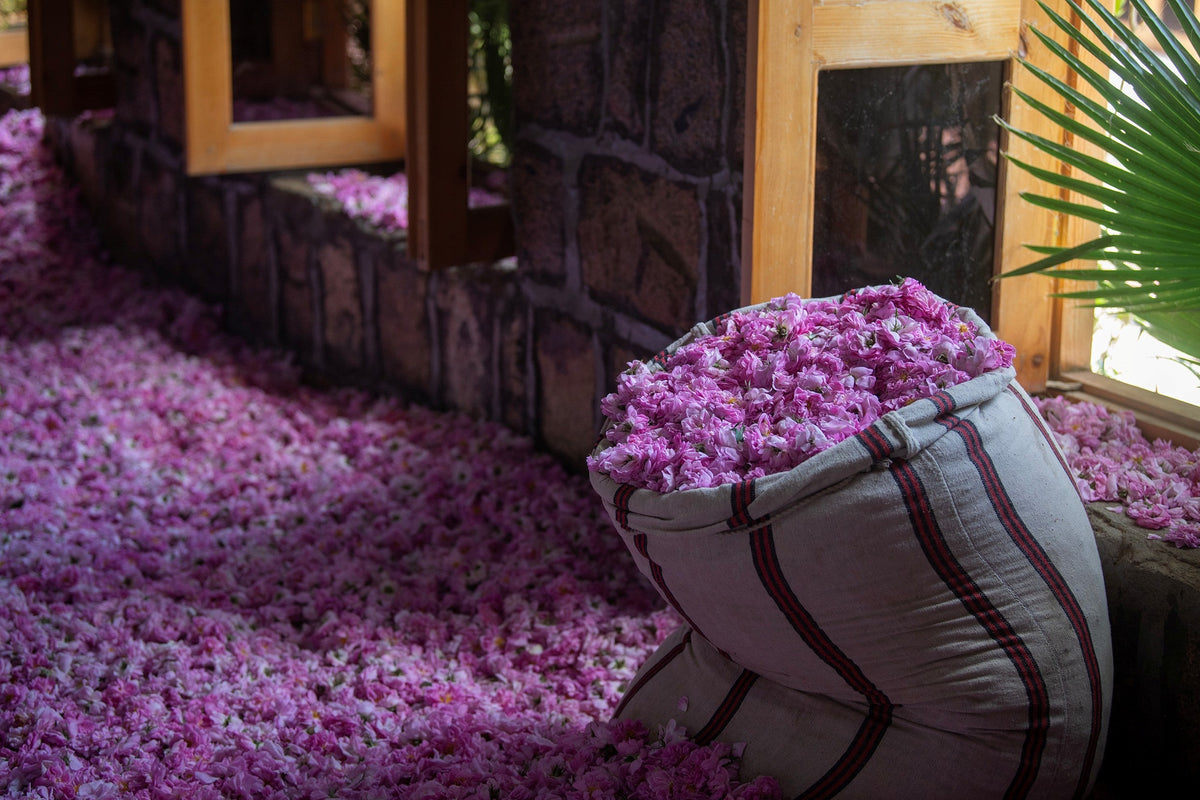
Rose in perfumery rests on the damask rose, the source of most rose oil, and the cabbage rose, which is grown for absolute. Bulgarian and Turkish are names of origin for one rose, the damask, and r...
Alcohol in Perfume: What It Is, Why It Is Used, and the Alternatives
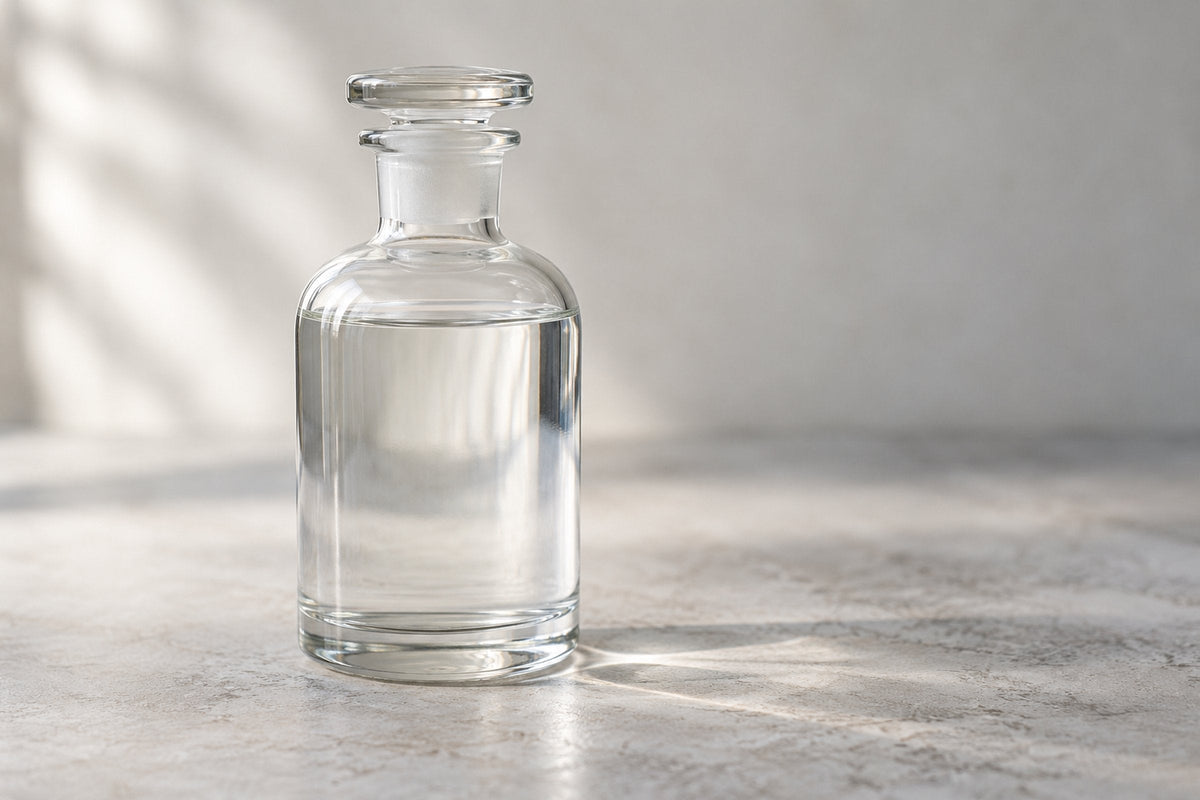
The alcohol in perfume sprays is ethanol, and perfume is dissolved in it because it dissolves scent materials that do not dissolve in water. The article explains Alcohol Denat., the other alcohols ...
Reading a Perfume Label: Ingredients, Allergens, and Pack Symbols
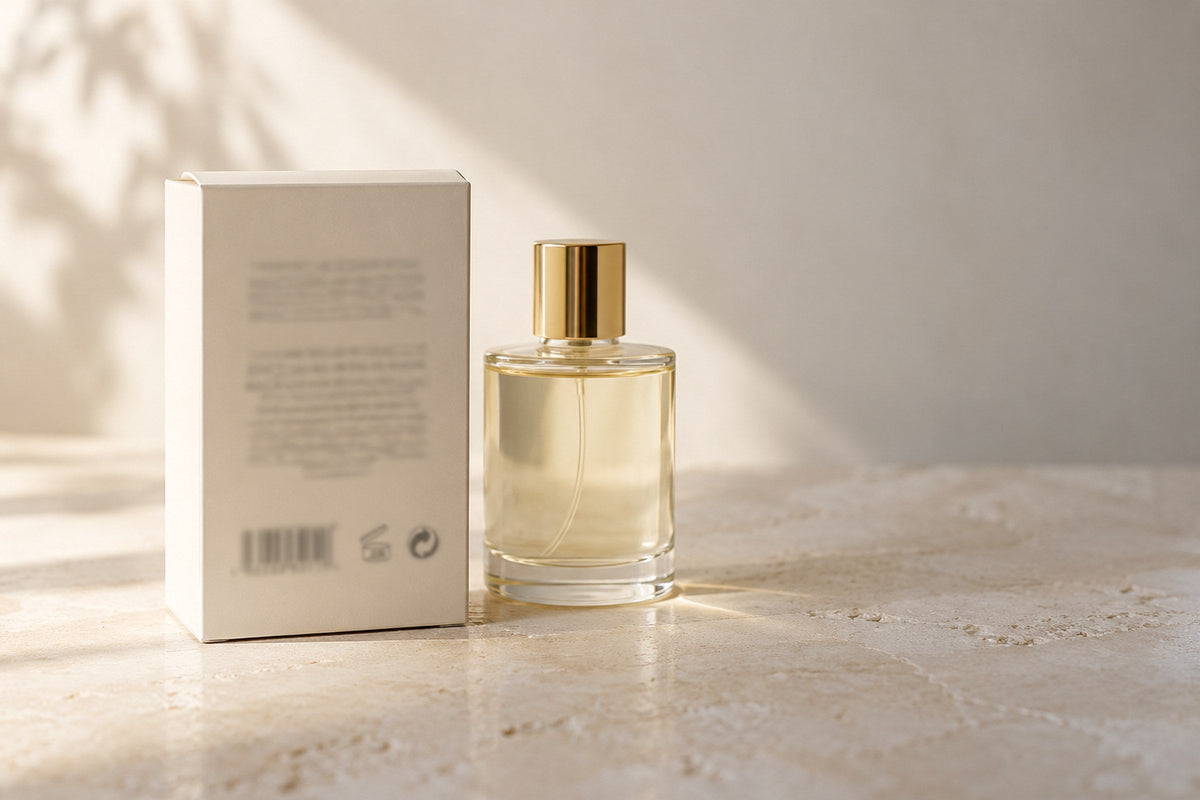
A perfume label carries particulars required by regulation, including the country of manufacture, the volume, the batch number, and the ingredient list in international names. The names after Parfu...
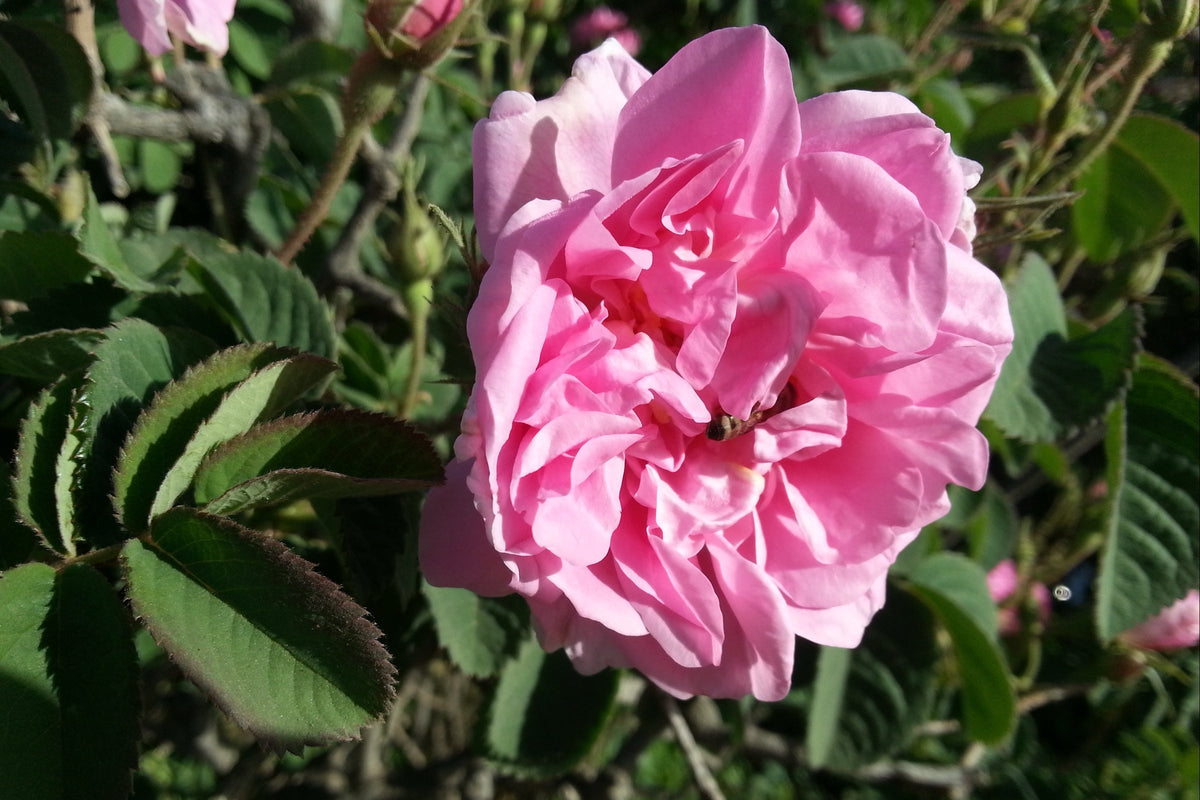
The Taif Rose: What It Is, How It Is Distilled, and How to Read Its Name in a Perfume Description
The Taif rose is grown in the highlands of Taif and picked in March. It is distilled in copper pots and gives a great deal of rose water and very little oil. Its name in a perfume description indic...
Glossary of Perfume and Bakhoor Terms in English and Arabic
A glossary of more than eighty terms covering concentration, notes, performance, families, materials, oud and bakhoor, and market language. Most entries begin with the term as it appears on packagi...
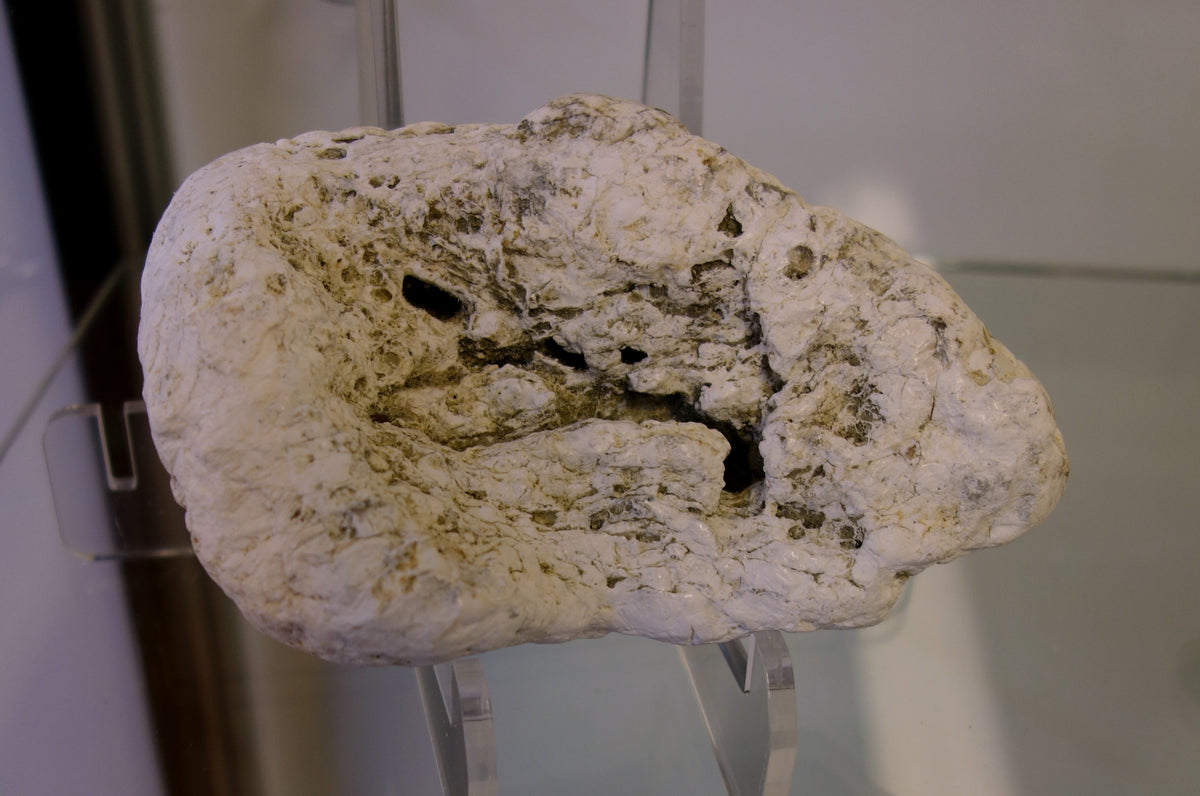
Amber in Perfumery: Ambergris, Fossil Amber, Ambrox, and Why the Name Gets Confused
In perfumery, the word "amber" means ambergris, a warm accord of vanilla and resins, or a synthetic material such as Ambrox, and it is confused with fossil amber, the stone. Where each of them come...
Why Doesn't Your Perfume Last? Longevity, Sillage and Olfactory Adaptation
A perfume can linger after its wearer has stopped sensing it, because the nose adapts to a constant scent. The difference between longevity and sillage, what makes one perfume last longer than anot...
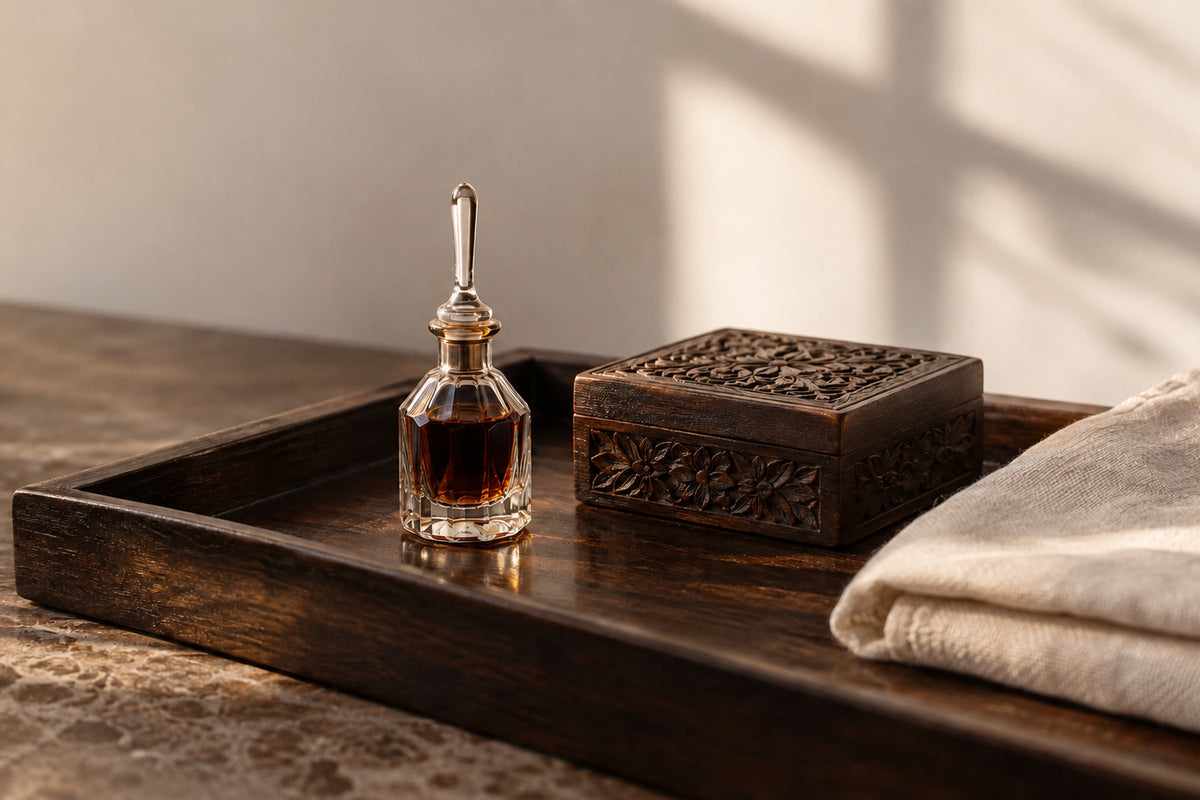
Bakhoor Perfume Oils: How to Choose Them and Scent Oud and Bakhoor
Not every perfume oil is suitable for bakhoor, and what it smells like in the bottle may not be what it smells like on charcoal. What bakhoor perfume oils are, what heat does to them, and how to ch...
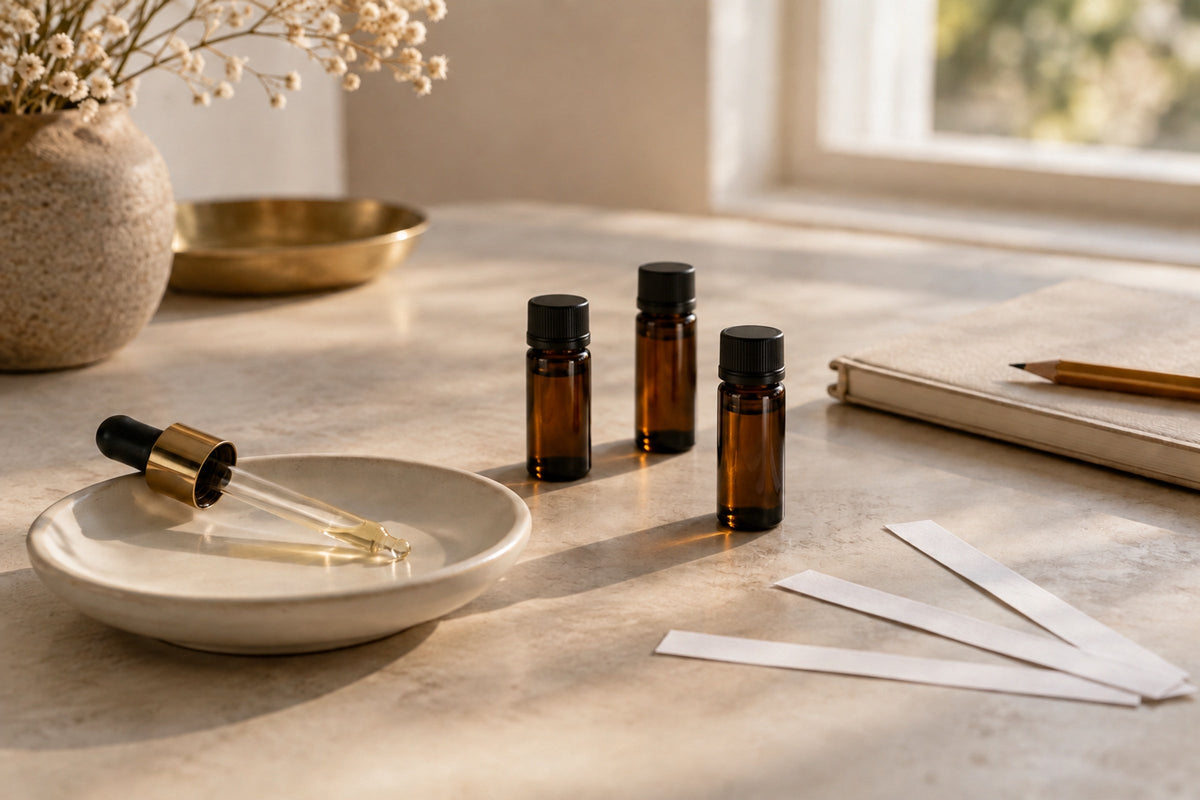
Composing Perfume Oil Blends: How to Mix a Mukhallat Yourself
A mukhallat is a perfume oil composed of several materials, with no fixed ratio for blending it: two materials are tested in graded ratios on smelling strips, each trial is written down, and the re...

How to Choose Bakhoor for a Mosque: Scent, Ventilation and Safety Tips
A mosque is an enclosed space that gets crowded at prayer times, with older people, people with asthma and children among the worshippers, so burning bakhoor there is not like burning it at home. C...
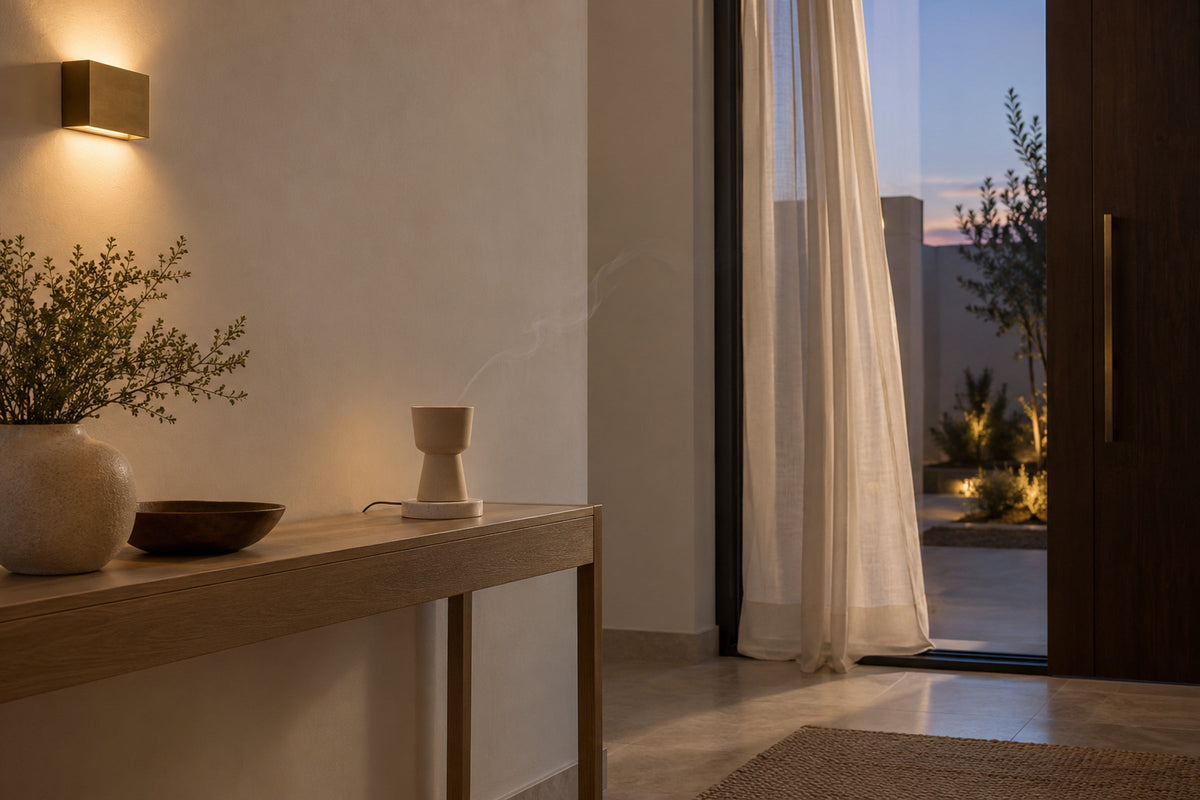
Making Bakhoor Scent Last at Home: Amount, Ventilation and Safety
What lingers of bakhoor after the smoke has gone is most likely what has clung to the surfaces of the home, such as walls, floors and furnishings, and then returned to its air, as was found with wo...
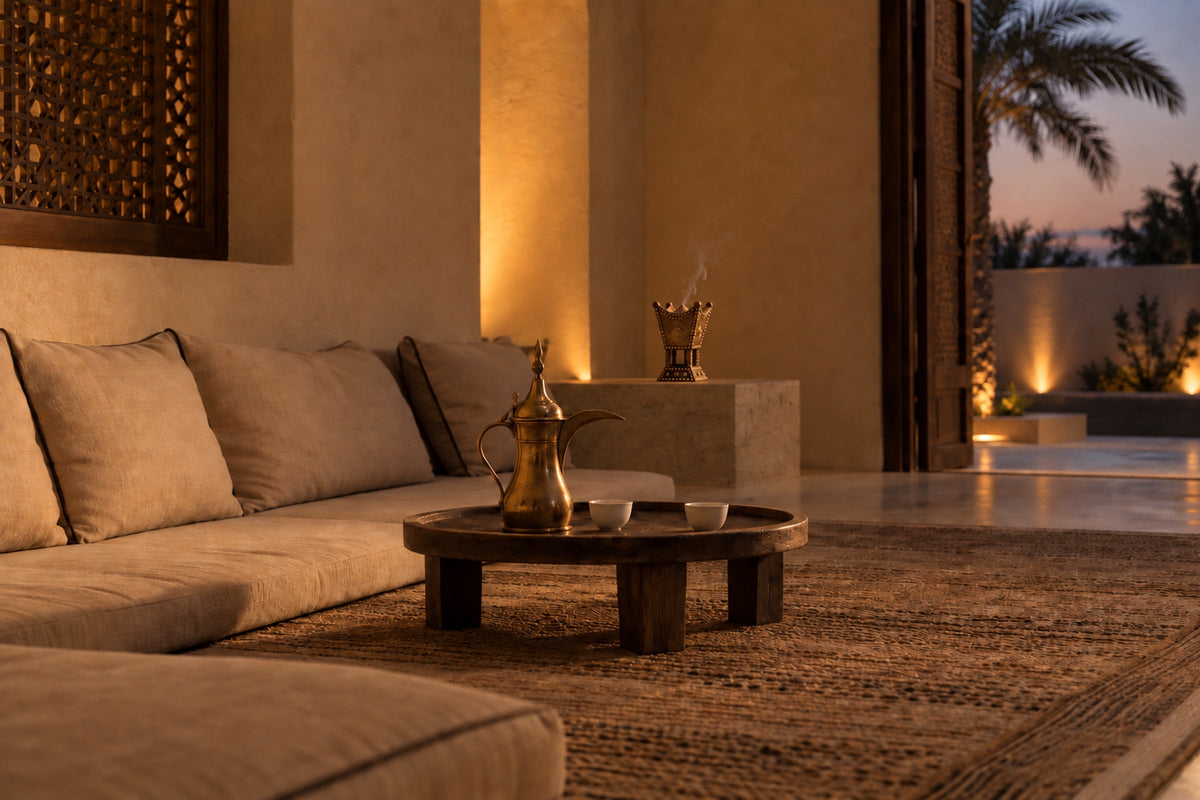
How to Choose Bakhoor and Oud for Home and Occasions
Oud pieces, scented oud and blends: how they differ, and which suits the majlis, a small room or an occasion. Plus what to look at before you buy, and how to burn bakhoor for a clearer scent with l...

Importing Wholesale Perfume from Saudi Arabia: A Trader’s Guide
Importing wholesale perfume from Saudi Arabia starts with the destination country: what it requires for perfume to enter and be sold, then the sample, the written quotation, the documents and trans...
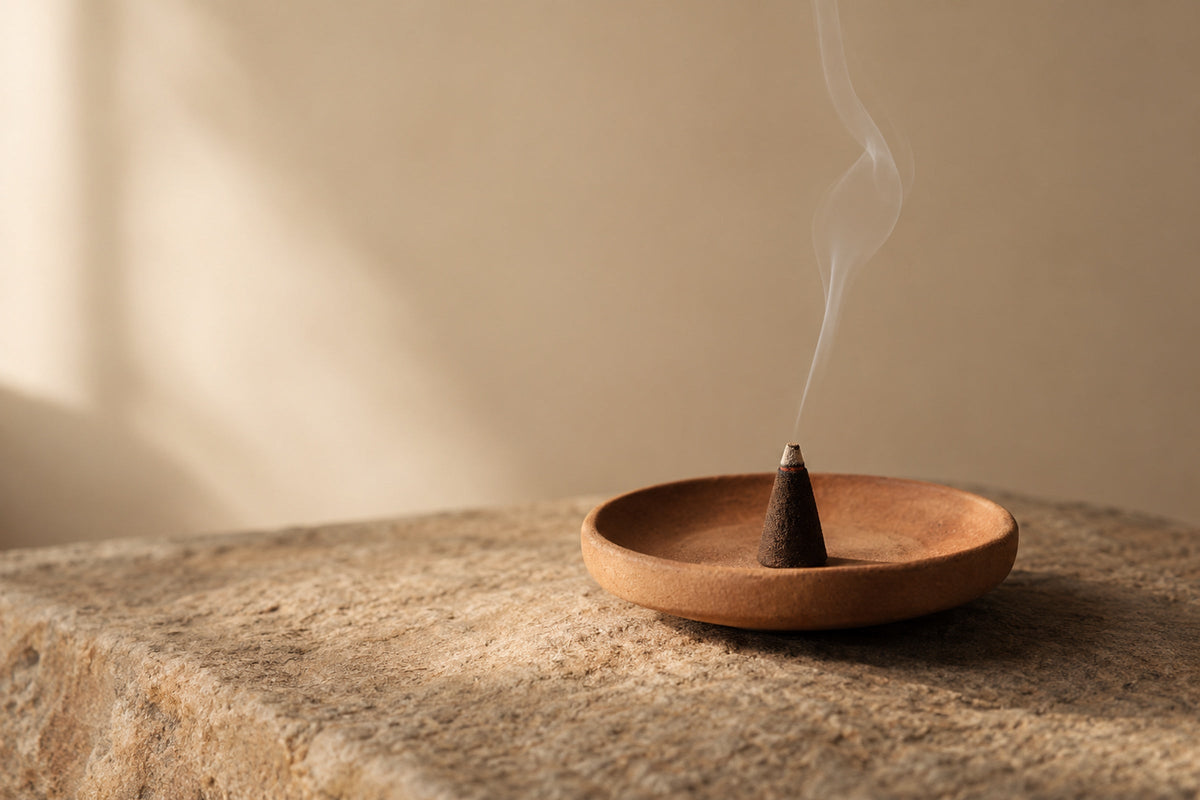
Pyramid Bakhoor: What It Is, What It Is Made Of, and How to Light It Safely
Pyramid bakhoor is a small cone that you light at the tip and leave to burn on its own, with no charcoal and no burner. What it is, why it burns this way, how it differs from maamoul, mabsous and o...
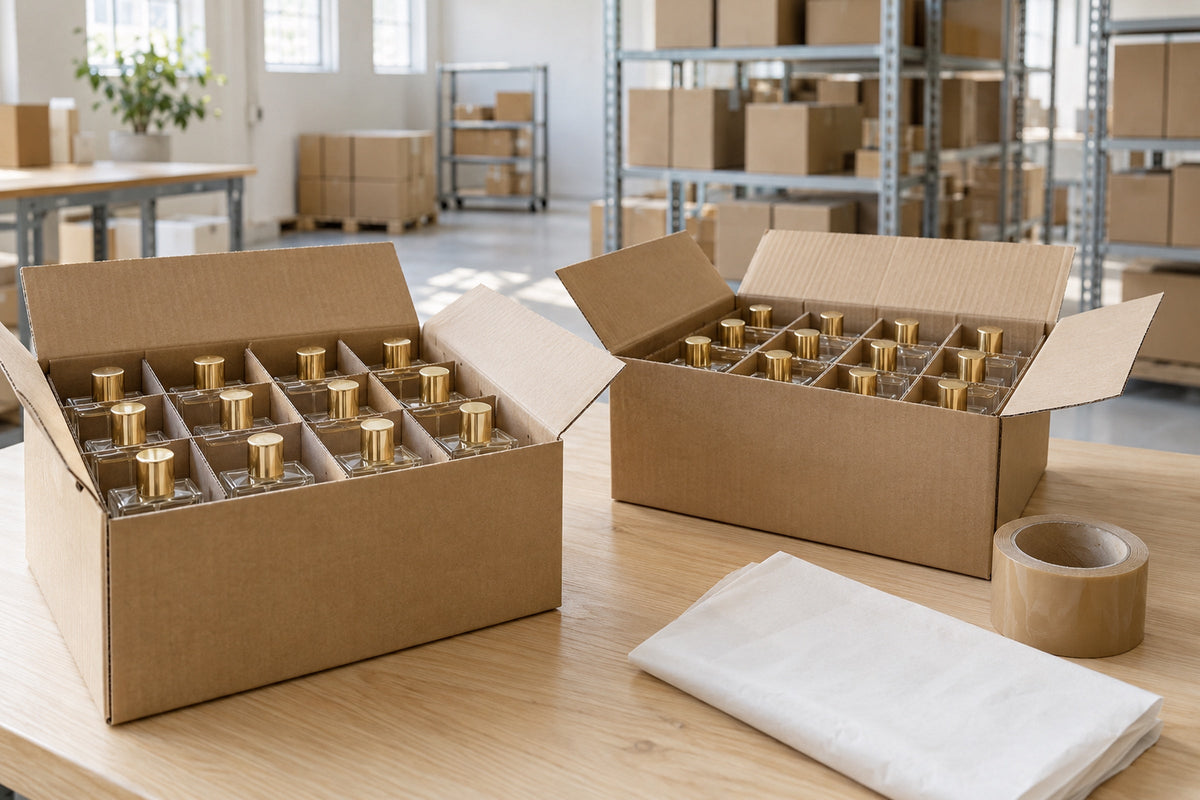
Buying Perfumes Wholesale in Saudi Arabia: Suppliers, Costs and Order Terms
A guide to buying perfumes wholesale within Saudi Arabia, from supplier and sample checks to comparing quotations and recording order terms. Learn what to confirm before paying and how to estimate ...
Autumn Fragrance Notes: How to Choose Your Perfume in Saudi Weather
In most Saudi cities autumn starts hot, so the move to autumn perfumes is a gradual one: spices and woods first, then vanilla, amber and oud once the weather cools. With notes on choosing, wearing ...
Harms of Perfume and Bakhoor: What the Evidence Says on Allergy and Smoke
The most firmly established harm of perfume is skin allergy to specific fragrance substances, which a dermatologist diagnoses with a patch test. Bakhoor smoke in a closed space raises indoor air po...
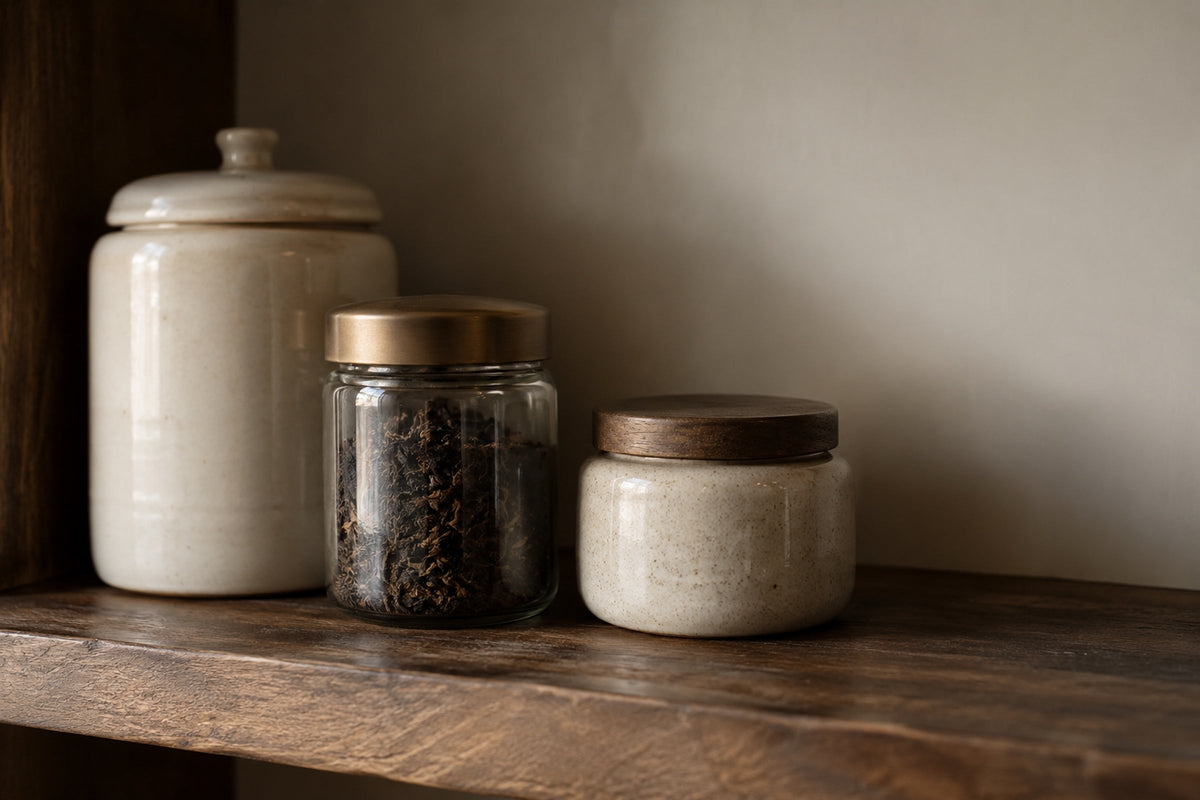
How to Store Bakhoor, Oud and Oud Oil: A Storage Guide
Heat, light and air do most to change the scent of bakhoor and oud oil in storage. How to keep oud, maamoul, mabsous and oud oil, how to tell when they have changed, and where charcoal, the incense...
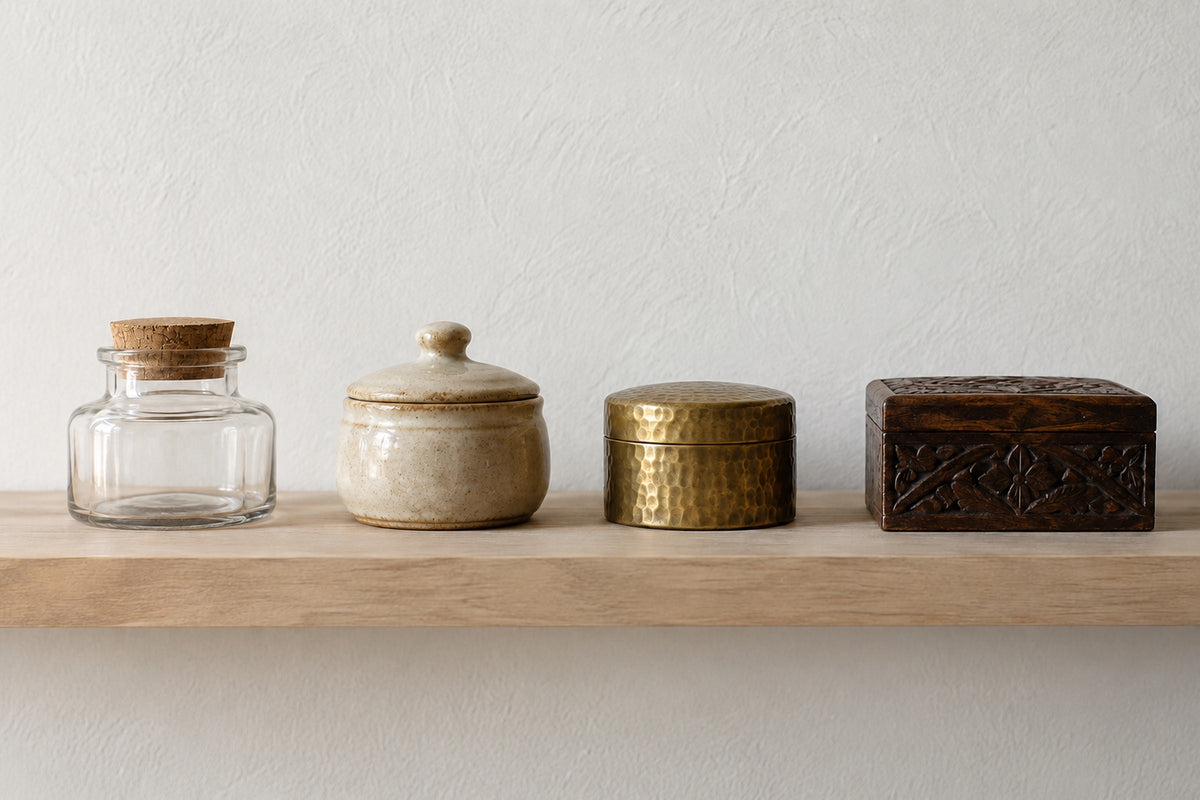
Types of Bakhoor: A Guide to Oud, Frankincense, Maamoul and Mabsous
Bakhoor differs by material, such as oud, frankincense and sandalwood, and by form, from pieces and blends like maamoul and mabsous to pyramid bakhoor and sticks. Alongside the types: what is known...
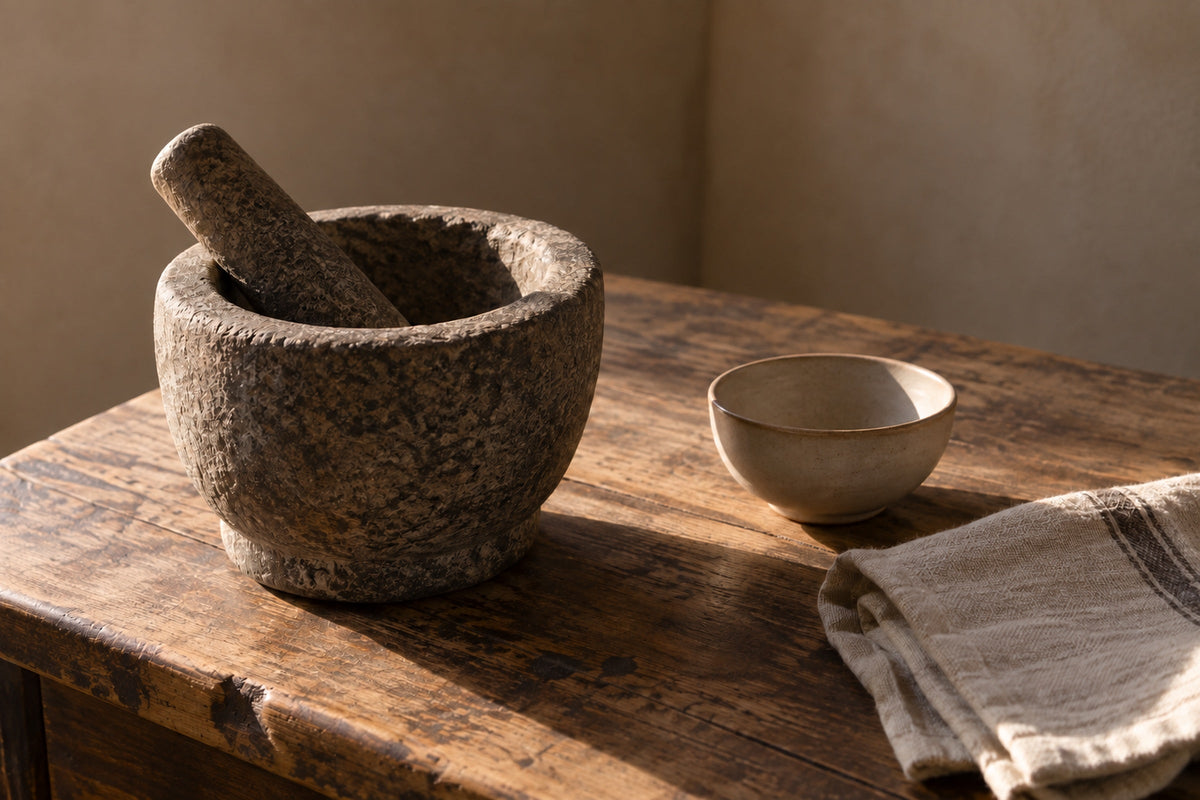
Bakhoor Ingredients: What It Is Made Of and How to Read Its Label
Bakhoor is made from aromatic woods, resins and oils; some of it is burned as it is and some is a prepared blend. What goes into each type, what the word “natural” does and does not tell you, and w...
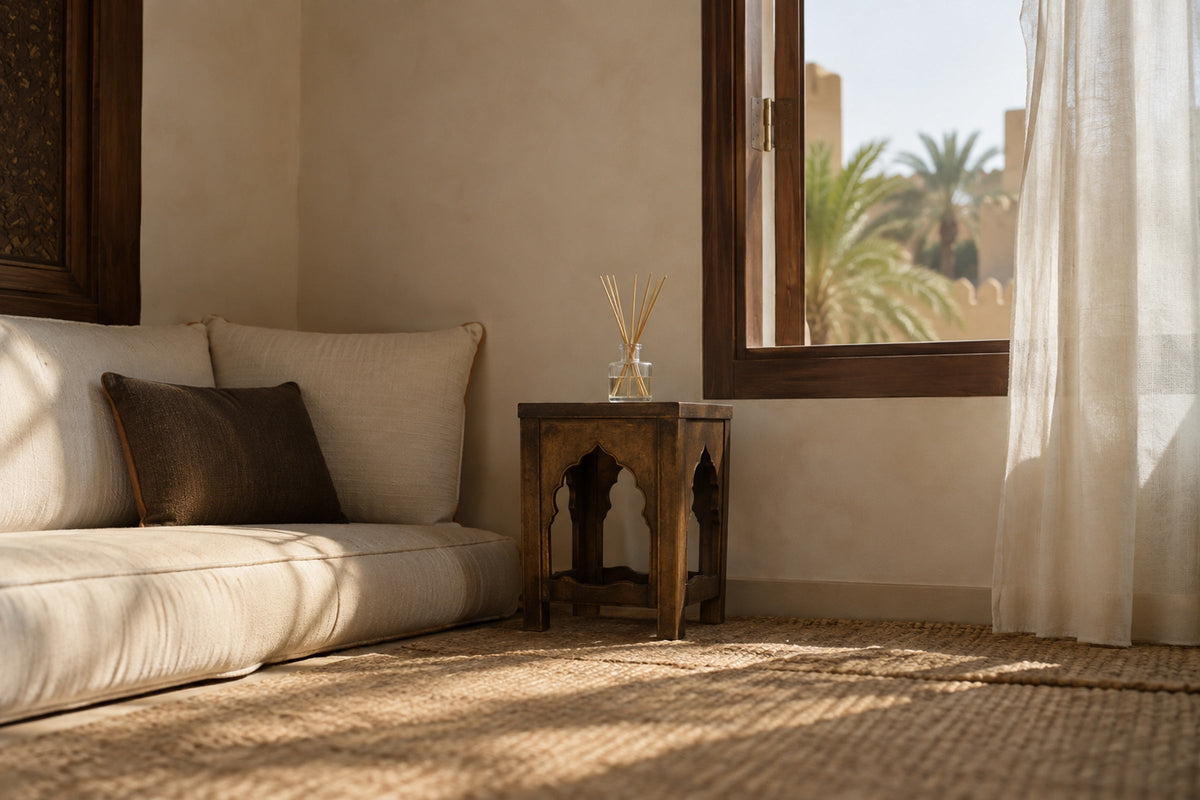
Home Fragrances: Types, Ingredients and How to Choose and Use Them
Home fragrances are bakhoor, candles, sprays, reed diffusers, electric devices and scented sachets, and each spreads its scent in its own way and adds something of its own to the air at home. Their...
Summer Fragrance Notes: How to Choose and Wear Perfume in the Heat
Riyadh's summer is dry and Jeddah's is humid, and in both the heat makes more of a perfume evaporate. Which notes we choose for summer, and how to wear and store perfume in the heat.

The History of Perfume: From the Incense Route to Synthetic Materials
A referenced history of perfume, from the incense trade of ancient Egypt and Arabia to rose water distillation in the Arab-Islamic civilization. It continues to eau de Cologne, synthetic materials ...
The Effect of Perfume on Mood: What Research on Smell Says
Smell is wired in the brain to emotion and memory, which is why it brings back old, emotionally strong memories, and its effect varies from person to person with their expectations, experience, gen...
Winter Fragrance Notes: How to Choose and Wear Perfume in Saudi Arabia
Winter in Riyadh is not winter in Jeddah, and a perfume that suits one may not suit the other. What cold does to a perfume, which notes to choose for it, and how to wear and store perfume in the cold.
How to Store Perfume: Where to Keep It, How Long It Lasts, and How to Tell It Has Changed
Heat, light and air are the main things that change a perfume over time. Where to keep it at home and when travelling, what the expiry symbols on the pack mean, and how to tell its smell has changed.
Spring Fragrance Notes: Choosing Your Perfume in Saudi Arabia's Short Spring
Spring in most of Saudi Arabia is short, and its weather varies from one city to another. The flowers of spring in perfume, from Taif rose to Arabian jasmine and orange blossom, and how to move you...

Oriental Ingredients in Perfume: Oud, Amber, Saffron, Frankincense and Rose
Oud, amber, saffron, frankincense, Taif rose and musk: where each comes from and how its scent forms. “Amber” in a perfume description may be a material from the sperm whale, synthetic Ambrox, or a...
Essential Oils in Perfumery: The Main Oils, Their Scents and Safety
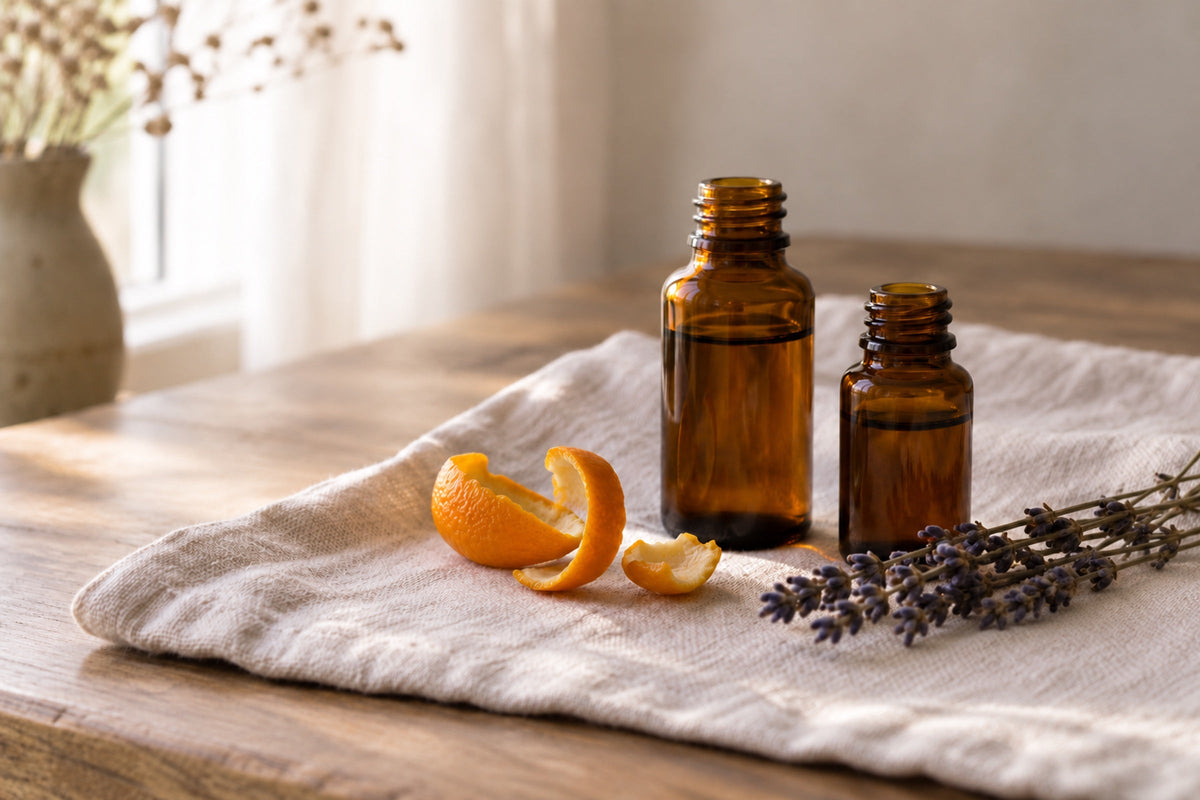
An essential oil is obtained from a plant by distillation or by pressing citrus peel; what is obtained with a solvent is an extract, such as an absolute, not an essential oil. The main oils in perf...
White Friday: How to Buy Perfume, Bakhoor and Oud Wisely
White Friday is a sales season in late November, named by Souq.com as an Arabic alternative to Black Friday. For buying perfume, bakhoor and oud during it: checking the discount, reading the concen...

How to Choose, Test and Apply Perfume: A Practical Guide
Choosing a perfume by taste, concentration and occasion, testing it on paper and then on skin before buying, then where to apply it and how much, perfume oils, and where to store a perfume.
Fragrance Families: A Guide to Perfume Scent Types and Their Classification
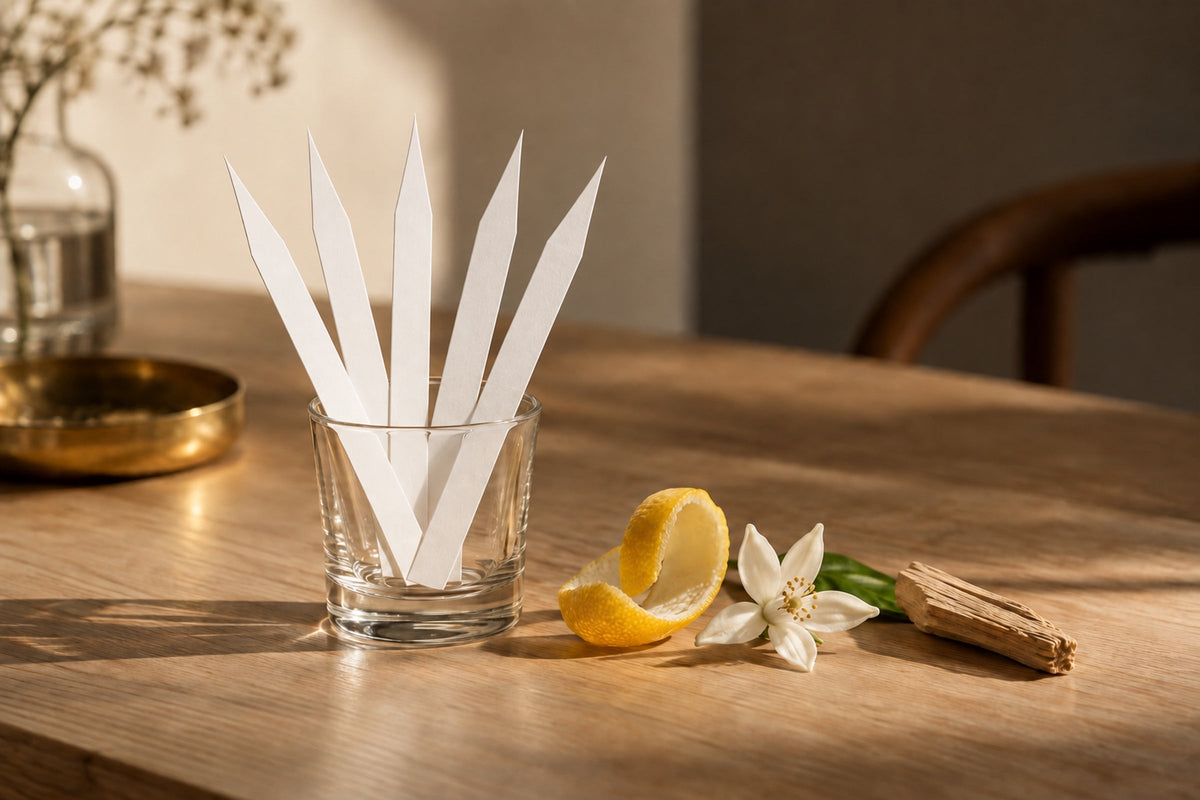
A fragrance family describes the character of a perfume as a whole, while notes are the scents it is made of. The seven families of the French classification and Michael Edwards’ fragrance wheel, w...
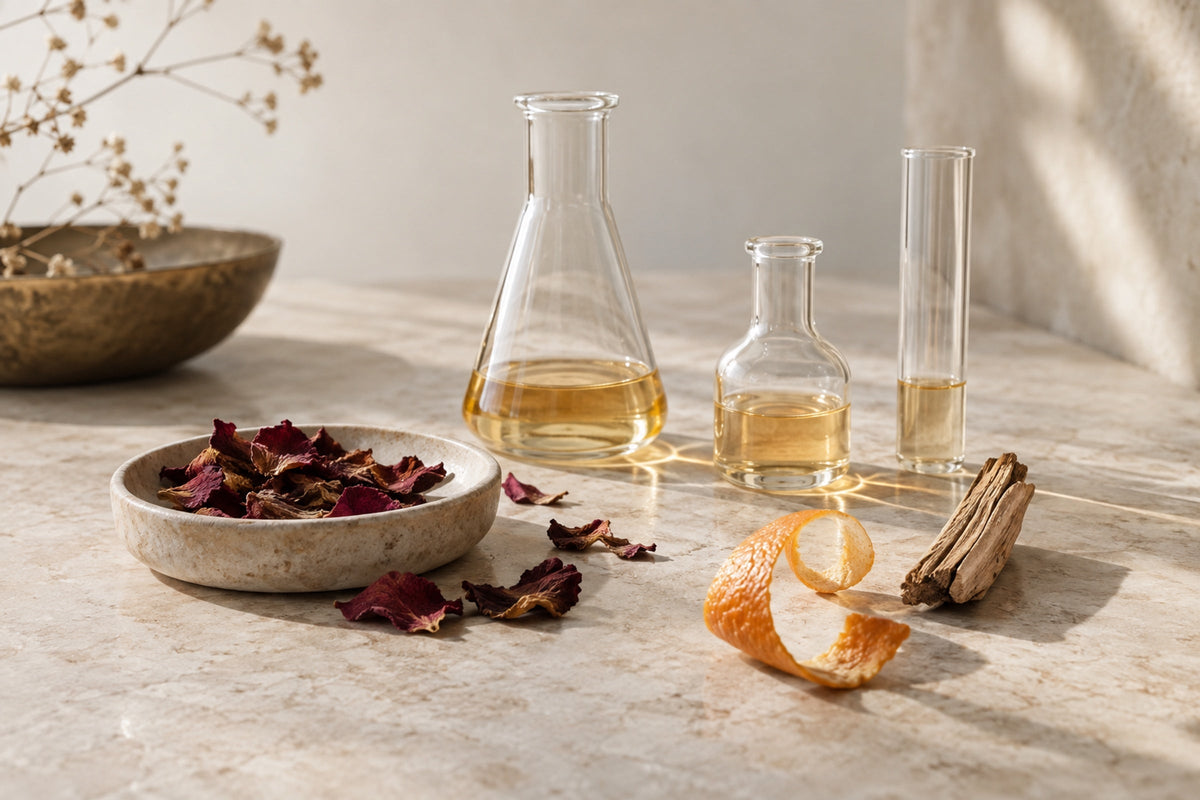
Perfume Ingredients: From Raw Material to Note
Perfume ingredients from raw material to note: natural and synthetic materials, extraction methods, the note pyramid and its limits, fixatives, and the role of the International Fragrance Associati...

Oud (Agarwood): A Reference Guide to Its Formation, Types, Oil and Trade
Oud is a wood whose scent a healthy tree does not produce; its resin forms only after a wound or an infection. How it forms, how natural, induced, enhanced and scented oud differ, what oud oil is, ...
Musk in Perfumery: Animal, Synthetic and Its Types
Musk began as a gland secretion of the male musk deer; today synthetic musk, in four families, has taken its place in perfumery. Where animal musk comes from and why its trade is restricted, the sy...
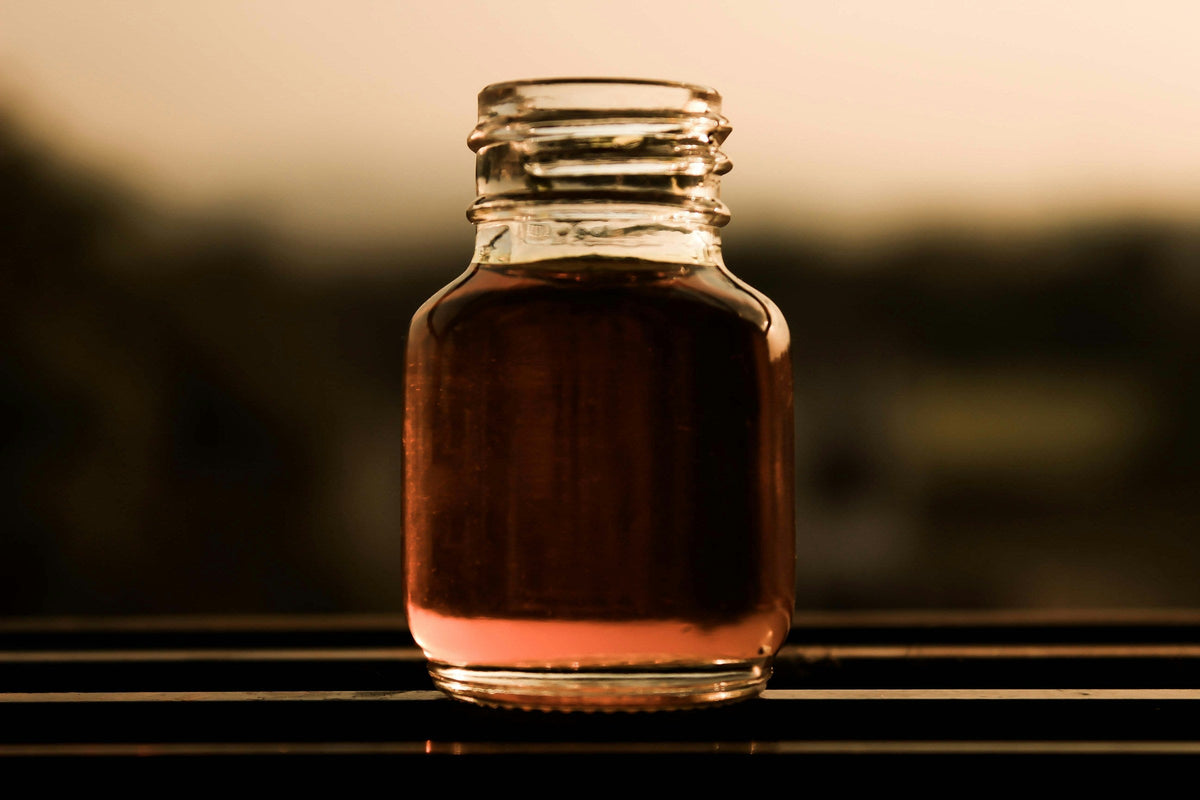
Perfume Oils: Concentration, Longevity and Safe Use
A perfume oil is a fragrance blend in a carrier oil rather than alcohol, and it is neither an essential oil nor oud oil. What it is made of, how concentrated it is, how long it is estimated to last...